
Latest Updates
Insights, tutorials, and news from the Toolloom team.
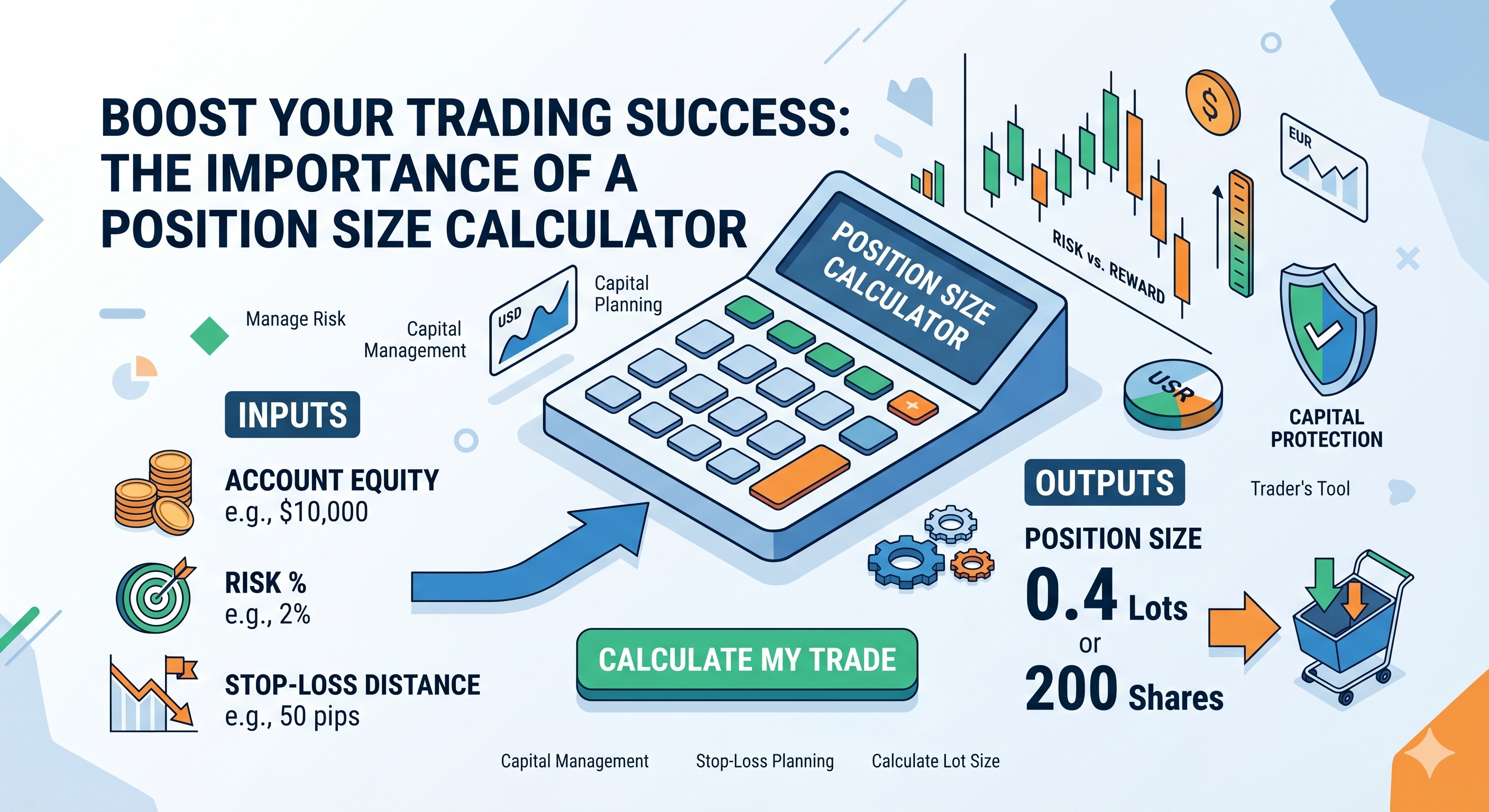
The Ultimate Guide to Using a Position Size Calculator to Manage Your Trading Risk
Save your capital and increase your trading success. Use the free ToolLoom Position Size Calculator to calculate your ideal trade size.

Boost Your Productivity: The Ultimate Guide to Using an Online Kanban Tool
Discover how a digital Kanban board can transform your workflow, eliminate bottlenecks, and boost productivity. Try the free ToolLoom Kanban Tool today.
How to Make a Spatial Index on Geometry Fields in PostgreSQL Mastery
Location-based services and geographic information systems (GIS) are now essential to how businesses run in today's world of data management. It's very important to be able to quickly query spatial data, whether you're making a delivery app, a real estate platform, or a complicated scientific mapping tool. PostgreSQL, along with the PostGIS extension, is the best way to work with spatial data in open-source databases.
How to Convert "Mid-Feb" to a Specific Date in Dialogflow ES: A Developer’s Guide
People who work with Natural Language Processing (NLP) don't often use ISO-8601 strings. They don't say, "I'd like to come on February 15, 2026." They use "fuzzy" dates like "mid-Feb," "early August," or "late next month" instead. If you use Dialogflow ES, you may have run into a common problem: you mark "mid-Feb" as @sys.date, but the entity doesn't work or comes back empty. This happens because Google's system entities are strong, but they can't handle everyday language when it comes to time. We'll talk about why this happens in this post and show you three proven ways to turn "mid-Feb" into a working date object like 2026-02-15.
Can You Create a Foreign Key Against a PostgreSQL Sequence? Exploring Solutions for Data Integrity
Maintaining data integrity is the cornerstone of robust database architecture. In the world of PostgreSQL, developers often encounter complex scenarios where standard relational models feel restrictive. In this deep dive, we will explore why this isn't possible by default, the architectural logic behind this limitation, and the professional workarounds you can implement to achieve the same logical result.
Why should you use tuples? How to Use Python's Immutable Sequences to Their Full Potential
If lists can do everything that tuples can do and can be changed, why do we need tuples at all?